
How AI Is Transforming Identity Theft — Threats, Tools & How to Stay Safe
How AI Is Transforming Identity Theft — Threats, Tools & How to Stay Safe Introduction: Identity Theft in the Age of AI Identity theft is no longer limited to stolen passwords or lost credit card...
How AI Is Transforming Identity Theft — Threats, Tools & How to Stay Safe

Introduction: Identity Theft in the Age of AI
Identity theft is no longer limited to stolen passwords or lost credit card numbers.
Today, artificial intelligence (AI) is transforming how cybercriminals operate — making attacks faster, more convincing, and harder to detect.
At the same time, AI is also becoming one of the strongest defenses against identity fraud.
Platforms like IDWatchGPT rely on intelligent automation to help individuals stay ahead of emerging threats.
Understanding how AI is used on both sides is now essential to protecting your digital identity.
How Cybercriminals Use AI to Steal Identities

1. AI-Generated Phishing & Social Engineering
Modern phishing attacks are highly personalized and realistic. AI enables attackers to:
- Write convincing emails that mimic real brands
- Imitate colleagues, banks, or service providers
- Adjust tone, timing, and language automatically
Many AI-generated scams are now difficult to distinguish from legitimate communication.
2. Deepfake Voice & Text Attacks
AI can replicate voices and writing styles using public data. This has enabled:
- Fake phone calls requesting urgent payments
- Impersonation of customer support agents
- Messages that sound exactly like trusted contacts
3. Automated Credential Attacks
AI accelerates attacks such as:
- Credential stuffing
- Password pattern guessing
- Rapid use of leaked databases
Once your data is exposed, exploitation can happen within minutes.
How AI Is Fighting Back: Smarter Identity Protection
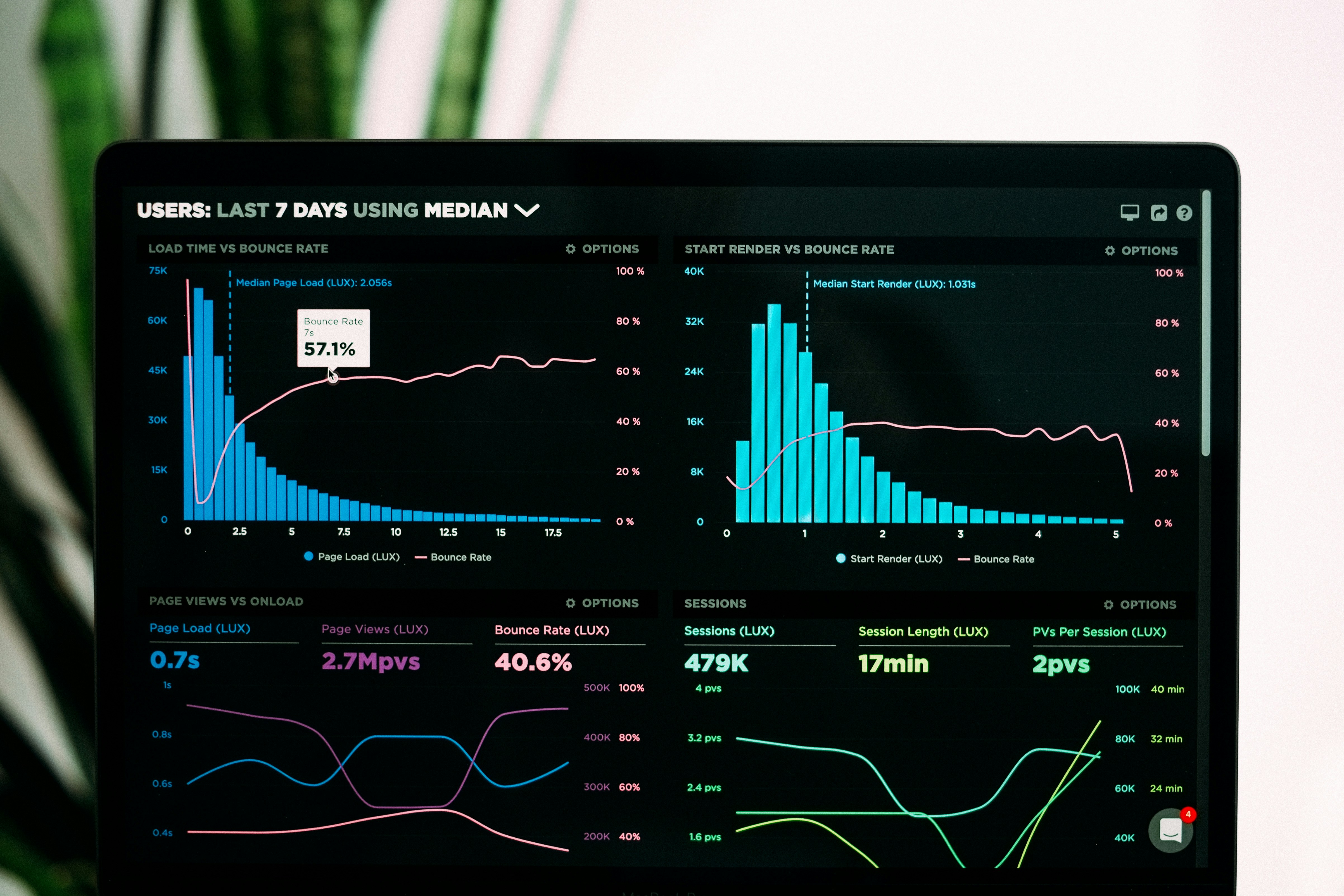
AI is also transforming defensive cybersecurity by doing what humans cannot do at scale.
AI-powered systems can:
- Monitor millions of signals continuously
- Detect unusual behavior patterns
- Correlate small indicators into real threats
- React in near real time
This is critical for identity protection, where speed matters.
Practical Steps to Protect Your Digital Identity

You don’t need to be a security expert to reduce your risk.
Key actions you should take today:
- Use strong, unique passwords for every service
- Enable multi-factor authentication (MFA) everywhere possible
- Be cautious of urgent or emotional messages
- Regularly monitor your digital footprint
Identity protection is not a one-time action — it’s an ongoing process.
Why Continuous Monitoring Is No Longer Optional
Identity theft is not static. New breaches and techniques appear constantly.
Modern protection must be:
- Proactive, not reactive
- Continuous, not occasional
- Intelligent, not manual
That’s why AI-driven monitoring is essential to detect threats before damage occurs.
Final Thoughts: AI Is the Future of Identity Protection
AI has permanently changed digital identity — for attackers and defenders alike.
The winning strategy combines:
- Awareness of modern threats
- Automation at scale
- Continuous monitoring
In a world where identity is digital, protection must be intelligent.